

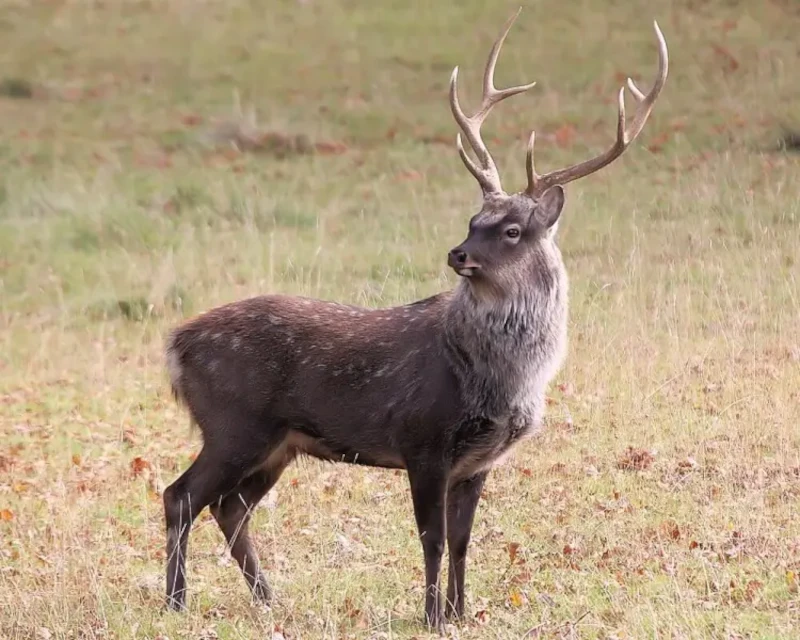
Sitka Deer Facts
- This beautiful creation of Nature and evolution most often goes by the short yet informative common name of the Sitka Deer. The amazing animal does have a few alternate titles by which it’s known, though. These include the options Pacific black-tailed deer and Island deer.
- Within the halls of science, however, it’s perhaps better known by its technical designation. Unfortunately, that’s an extremely difficult one for the layperson to pronounce. That’s because this stunning mammal bears the formal epithet of Odocoileus hemionus sitkensis.
- It received that cumbersome moniker due to the efforts of the respected American zoologist, Clinton Hart Merriam. He recorded the first official recognition of the marvel as a separate and distinct species. That scientifically noteworthy accomplishment occurred in the year 1898.
- This amazing denizen of the forest earns a measure of note from scientists and researchers. This holds true given the fact that it represents a subspecies mule deer. It also distinguishes itself with researchers due to the fact that it also constitutes the smallest known subspecies.
- Thankfully, the lovely Sitka Deer appears to be maintaining a population base that’s both stable and sufficient. This pleasant state also seems to hold true throughout the entirety of its known range. The IUCN thus currently has no ranking for it on the Red List of Threatened Species.
- The animal nevertheless should still be considered as facing numerous potential threats to its continued existence as a species. In this, it’s dealing with the same dangers as all forms of life on earth today. Most of these perils stem from the actions of man, including climate change.
Related Articles
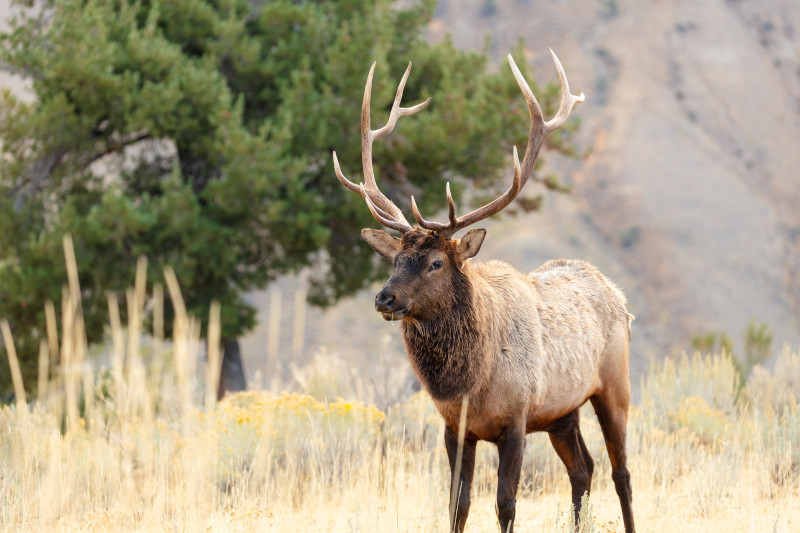
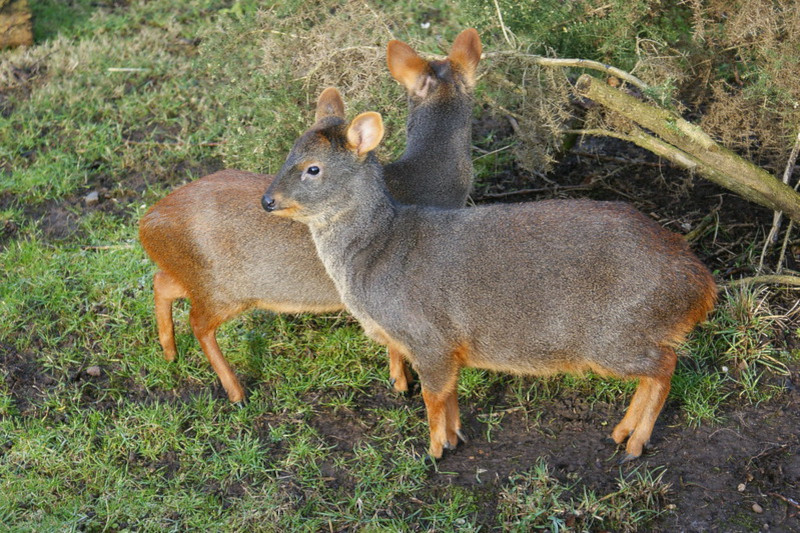
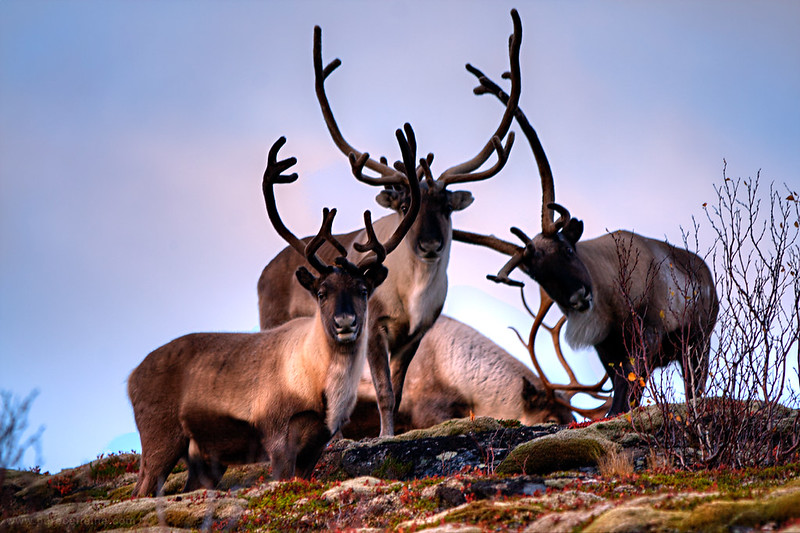
Sitka Deer Physical Description
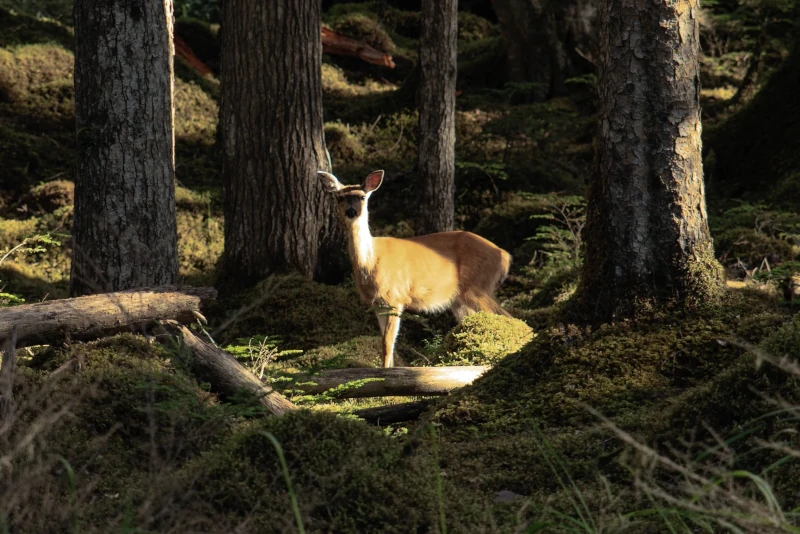
The mesmerizing Sitka Deer rarely fails to capture the interest and attention of those individuals fortunate enough to encounter one. Unlike some of its many relatives, though, it does not do so due to any impressive size. That’s because, as alluded to previously, it’s a smaller variety of deer.
Where physical appearance is concerned, this wonder of Nature follows a pattern of development similar to that displayed by many animals, including mammals. That’s the fact that this awesome creature displays a certain degree of the physiological characteristic of sexual dimorphism.
However, this trait manifests itself in terms of both size and antlers. The males possess the latter, while females do not. The difference in size only exists to a relatively small extent. In this particular instance, males attain a slightly greater body weight on average than their female counterparts.
Adult males, called bucks, reach a mean mass ranging from between 120 – 150 lbs (54.4 – 68 kg). Females, meanwhile, reach average weights from 80 -100 lbs (36.3 – 45.4 kg). Both genders, though, typically stand approximately 30 in (75 cm) tall at the shoulder. Exceptional examples do occur.
Each of the sexes present a stocky, compact build, especially the males. The species also has comparatively short legs. The distinctively short, fluffy tail shows black, with a brown base. Its head and face are narrow, with large ears. It shows a gray muzzle and lighter fur around the eyes and nose.
The coat of the gorgeous Sitka Deer further enhance its visual appeal, changing with the seasons. During the summer months, it presents a reddish-brown color, seeming sleek and thin. But in the winter, this changes to a notably darker brown to grayish-brown, with thick, dense fur for insulation.
The antlers of the males merit note, as well. Typically, these remain relatively small and modest in size when compared to other mule deer. Most have 2 -4 tines per side. Generally, these have a span measuring between 18 – 24 in (46 – 61 cm), though exceptional specimens do sometimes occur.
- Kingdom: Animalia
- Phylum: Chordata
- Class: Mammalia
- Order: Artiodactyla
- Family: Cervidae
- Genus: Odocoileus
- Species: O. hemionus
- Subspecies: O. h. sitkinses
Sitka Deer Distribution, Habitat, and Ecology
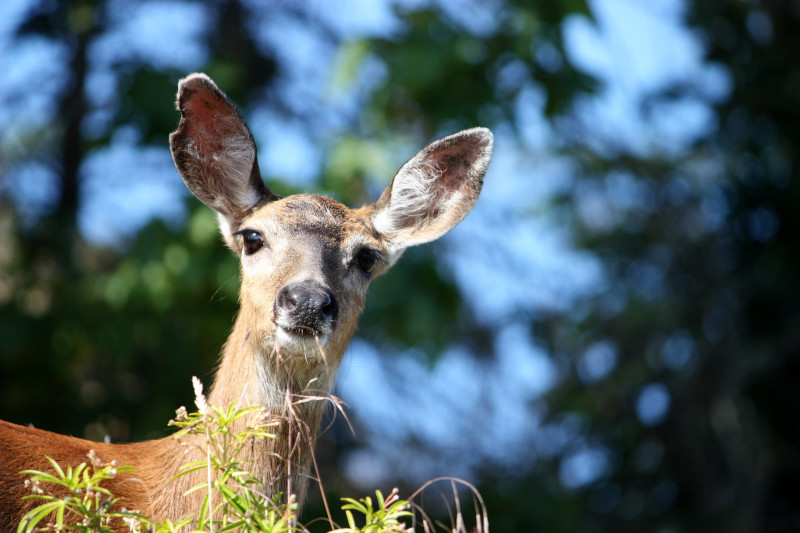
The intriguing Sitka Deer evolved as indigenous to a comparatively small and somewhat isolated portion of the surface of the earth. Precisely where that zone of habitation lies, however, might surprise a few of our readers. That’s because it evolved as indigenous to part of North America.
There, it’s primarily present within the region of southeastern Alaska, part of the United States. It’s also especially found in the coastal rainforests and islands. The rest of its population live in northern British Columbia, part of Canada, mainly along the coastal mainland and offshore islands.
This mammal displays decidedly strong and clear preferences regarding its choice of habitat. It’s found almost exclusively inside of maritime coastal temperate rainforests in the two areas it appears in. The animal’s also strongly associated with island ecosystems, such as the Alexander Archipelago.
This remarkable species generally favors areas of old-growth coniferous forests dominated by both Sitka spruce and western hemlock. The deer also sometimes uses second-growth forests, but these can become too dense and provide less understory forage until later stages of regrowth.
Locations also vary by the season, ranging in altitude from roughly sea level up to about 3,000 ft (900 m). In the summer, its numbers remain more dispersed, frequenting alpine meadows, muskegs, and shoreline areas. During winter, however, it moves to low-elevation old growth forests.
The captivating Sitka Deer evolved as a primarily browsing herbivore. In this capacity, it represents a keystone species in its habitat. During spring and summer, it feeds on various forbs, grasses, sedges, berries, and shrubs. In fall and winter, this inludes lichens, mushrooms, and even tree bark.
Breeding generally takes place between the months of November and December. Females later typically give birth to a single fawn in late May to June, though twins occur sometimes, with triplets being rare. Average lifespans only reach 8 – 10 years in the wild, mainly due to harsh conditions.
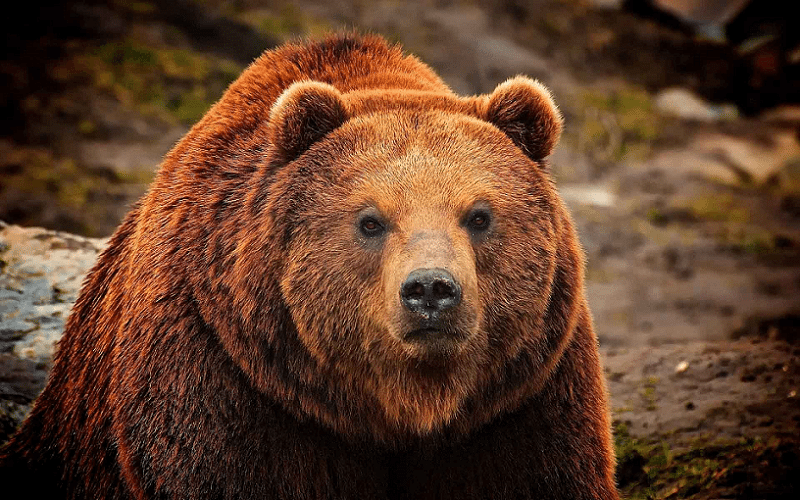
In the greater part of its range, it’s faced with several large predators. This principally consists of wolves, with brown bears and black bears also preying upon it. On smaller islands without large predators, however, populations sometimes grow unchecked, leading to over browsing of vegetation.
Species Sharing Its Range
Check out our other articles on 7 Incredible Insects of Europe, Mountain Hare, Amazon River, Hellbender Salamander, Rila Primrose, Goldentail moray, South African Mantis, Chinese Alligator