

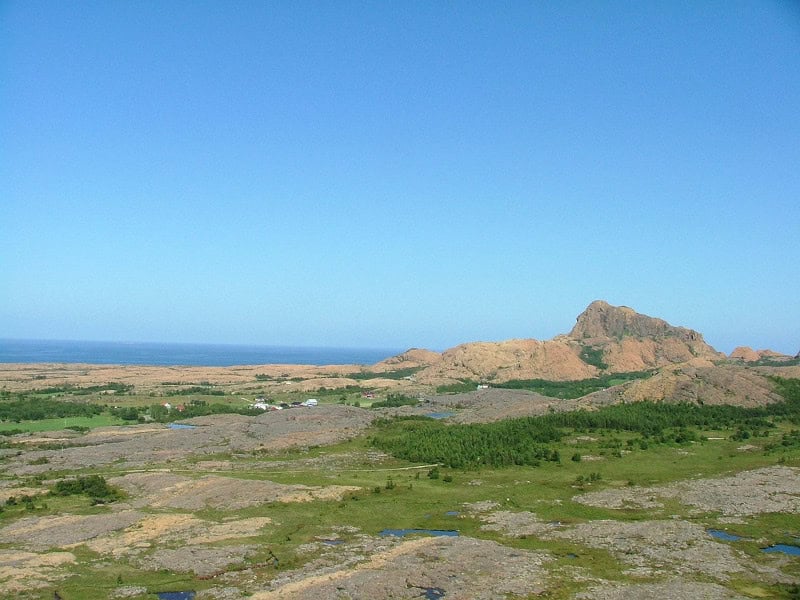
Leka Island Facts
- The surprisingly short term of Leka Island represents the name of this remarkable geological feature presently in regular use. At the moment, in fact, it does not have any other accepted official title. It does, however, currently hold the unofficial nickname of The Island of Myths.
- The human history of this marvelous location remains somewhat different than that of similar features in other parts of the world. That’s true since no individual or group discovered this location, in the traditional sense. It’s been known to local Indigenous Peoples for ages.
- Archaeological evidence indicates that ancient man first learned of the island at least 10,000 years ago. That same data also shows that the first regularly maintained presence there began roughly 6,000 years ago. It appears that these first inhabitants consisted of hunter gatherers.
- Fortunately, Leka Island now enjoys a certain amount of protection from the depredations of mankind. In 2019, it became a part of the Trollfjell Geopark, recognized by UNESCO as a Global Geopark, emphasizing geological significance, conservation, and sustainable tourism.
- Nevertheless, this marvel of Nature and geology still faces many potential threats to its delicate environmental and ecological balance. Most of these derive from the actions of humans. The human disturbance of wildlife habitats and climate change both constitute serious dangers.
Related Articles
CCL: https://tinyurl.com/3kds3ep2
Leka Island Physical Description
The memserizing Leka Island typically fascinates and amazes those individuals fortunate enough to visit this location. It generally does so, though, due more to its unique geological nature and visually striking landscape than physical dimensions. That’s because it’s not an extremely large island.
In terms of its general overall length, this remarkable formation measures approximately 9.01 mi (14.5 km) long. Its width, however, only reaches about 3.7 mi (6 km). When combined, these serve to provide the creation of natural forces width a total area equaling roughly 22 sq mi (57 sq km).
Its shoreline, though, remains extremely irregular, as well as deceptively extensive. That’s due to the existence of numerous inlets and peninsulas dotting the full extent of that coastline. This, of course, works to form naturally occurring inlets and bays that appear in multiple locations around the site.
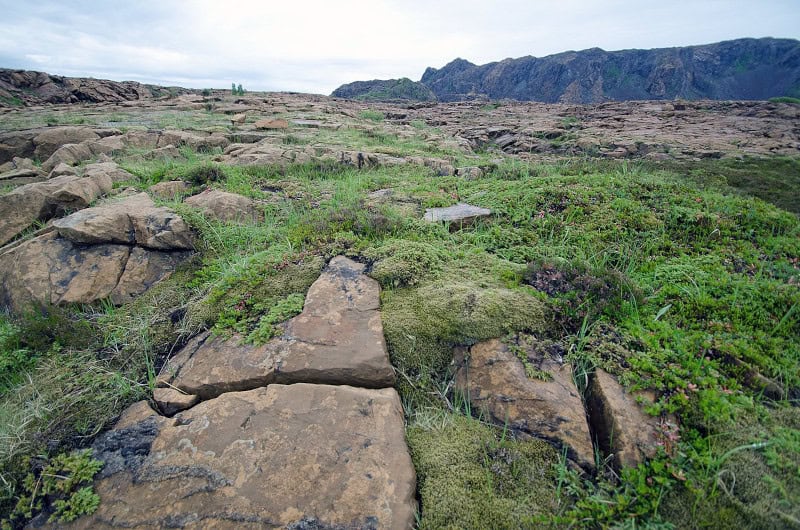
The island’s also world famous for the distinctive nature of its underlying bedrock. This consists of ancient oceanic crust and upper mantle pushed above sea level. The dominant rock types include peridotite, serpentinite, gabbro. In color, these range from shades of dark reddish to an orange hue.
The landscape on captivating Leka Island varies significantly from one region to the next. The interior formed as quite rugged, possessing very steep cliffs, craggy ridges, and deep valleys shaped by glacial erosion. It’s in this section that Støypet, the island’s highest peak, at 1,371 ft (418 m) lies.
The western side, meanwhile, contains exposed rock, thin soil cover, and a desert-like, barren appearance. Yet, the eastern side boasts vegetation, farmland, and sheltered coves. Caves and rock shelters also appear in all areas, while numerous islets and reefs of all sizes surround its perimeter.
Leka Island Location, Formation, and Ecology
The breathtaking Leka Island formed in a region of the world already well known for its abundance of geological wonders. The exact geographical placement for the wonder therefore likely won’t surprise anyone. That’s true given the fact that Nature created it as part of what’s now Europe.
Within that greater area of the earth’s surface, however, its location puts it in the most northerly part of the region. In fact, it sits just off the coast of the mainland of the country of Norway. This puts the marvelous island in an area known as the Norwegian Sea, part of the North Atlantic Ocean.
This gorgeous formation possesses one of the most fascinating geological origins in the country it’s part of, and even Europe in general. This seemingly magical setting primarily formed from ancient oceanic crust and upper mantle, thus making it a geological window into Earth’s deep interior.
This formative process began roughly 500 million years ago. The rocks comprising it began as part of the underlying structure of the Iapetus Ocean, a now-vanished ocean existing before the Atlantic. The stone of which it’s comprised are malfic and ultramafic, not normally found at the surface.
Then, during the Caledonian mountain-building event, tectonic plates collided closing the Iapetus Ocean, roughly 100 million years later. As a result, oceanic crust and upper mantle inexorably pushed up and emplaced onto the edge of the continent, a process called ophiolite emplacement.
Much later, other processes added to its creation as we know the wonder now. Subsequent glacial actions scultped the island during the ensuing ice ages over the course of the last 2.5 million years. This helped expose the deep mantle rocks at the surface, giving Leka its bare, red-rock landscapes.
Beautiful Leka Island has a truly unique and sensitive ecology, shaped by its unusual geology, coastal environment, and low human population. The combination of ultramafic rock, thin soils, and island isolation creates habitats that are rare in the nation it forms part of, and even globally.
Flora does remain somewhat sparse on the island. High levels of nickel, chromium, and magnesium appear everywhere. Yet, low levels of essential nutrients, like calcium and nitrogen remain typical. Only specially adapted plants survive, such as Dwarf Birch, lichens, various moses, and heathers.
Birdlife does abound, though, including both both resident and migratory species. These include the Atlantic Puffin, Arctic Tern, Black guillemot, and White-tailed eagle. Small mammals also live here, including field mice, voles, and the Eurasian otter, but large predators remain notably absent.
Its marine and coastal ecology also thrives along most areas of the coastline. Large kelp forests, eelgrass beds, and rocky reefs surround the island. Together, these ecosystems provide habitats for multiple species, including cod, pollock, herring, crustaceans and mollusks, seals and otters.

Features Sharing Its Region
Check out our other articles on 5 Riveting Atlantic Ocean Rays, Mountain Hare, Salton Sea, Achiote Tree, Great Barracuda, Eurasian Griffin Vulture, Emerald Ash Borer, Earless Monitor Lizard