

Dead Sea Facts
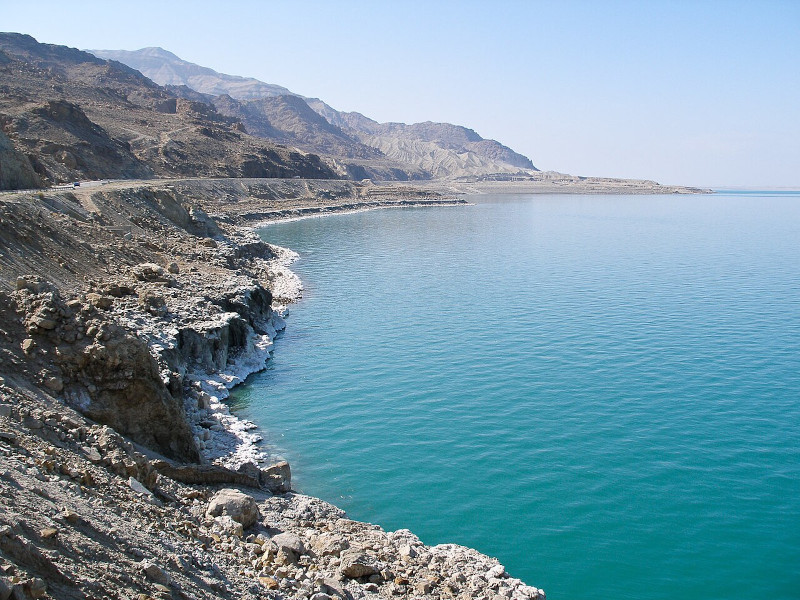
- This stunning and world-renowned creation of time and natural geological processes most frequently goes by the name of the Dead Sea. It does hold other titles, though. These include such terms as Salt Sea, Asphalt Lake, Eastern Sea, and Sea of Arabah, among others.
- It’s not currently known when ancient man first sighted this remarkable formation. Archaeological evidence does, however, indicate that the first settlements in the area existed as early as the Chalcolithic period, around 4500–3500 BCE. They valued it for its resources.
- Along with local Indigenous Peoples, the ancient Egyptians also knew of the natural masterpiece. Indications exist that this knowledge stretches back as far as the 2nd millennium BCE. Later, both Greek and Roman accounts make note of the site and its unique properties.
- Today, it stands out in the annals of science for a multitude of reasons. Its shoreline ranks as the lowest land-based elevation on the planet. Due to its measured depth, it also lists as the deepest lake of its kind in the world. It’s also one of the saltiest bodies of water on earth.
- Fortunately, due to its combination of natural distinctiveness and historical importance, the amazing Dead Sea now enjoys certain types of protection. Portions of its surrounding region now form UNESCO designated protected wetlands. Several nature reserves also dot the area.
- Nevertheless, the breathtaking feature still faces numerous threats to its continuation in a pristine state. Due to the diversion of some of its incoming water supply, it’s been shrinking in size since the 1960’s. Like many bodies of water, it’s also affected by ongoing climate change.
Related Articles
Dead Sea Physical Description
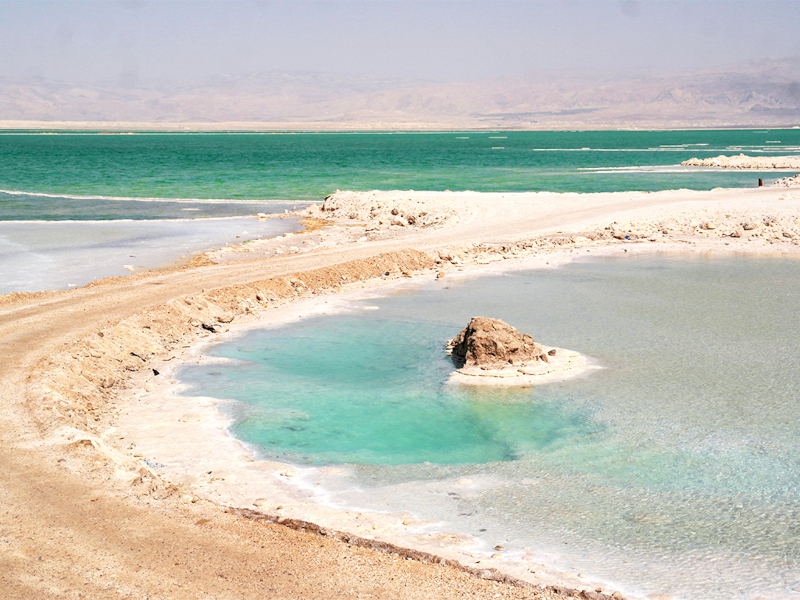
The mesmerizing Dead Sea never fails to capture the attention and interest of those who encounter it for the first time. The marvel has a deceptive name, however. That’s because this wonder of geology isn’t a sea at all. In fact, it actually represents an extremely large, landlocked salt lake.
In terms of overall shape, the distinctive body of water possesses a highly rectangular structure. Though its outlines naturally measure as irregular, this general pattern remains. The lake measures approximately 31 mi (50 km) in length. Yet, it’s only about 9 mi (15 km) at even its widest point.
The depth of this water-based wonder also naturally varies due to location. At its greatest reach downward, however, the lake measures roughly 985 ft (300 m). We say roughly because this measurement also understandably changes, due to rising or dropping water levels.
The surface of the Dead Sea additionally holds a unique status in the record books. That’s because it averages sitting at 1,410 ft (430 m) below sea level. This location actually qualifies it as the lowest known point on the surface of the earth! Amazingly, this surface level continues to drop.
Yet, it’s the nature of the water within it that makes this site the most unique of its type in the world. It has one of the highest known saline levels, at 34%. That puts this attribute at about 10 times greater than typical sea water. It’s also rich in minerals like magnesium, potassium, and bromine.
Dead Sea Location, Formation, and Ecology
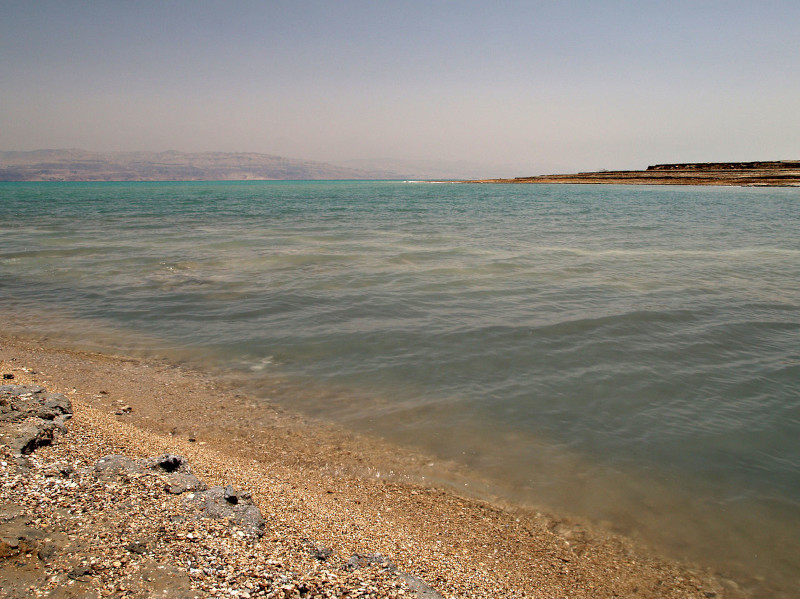
The breathtaking Dead Sea formed in a region of the globe already well known for its abundance of starkly beautiful features. Its exact location might surprise some of you, though. That’s because Nature and time created it as part of the beautiful continent that’s now known as Asia.
More precisely, it’s situated in the region of the greater landmass generally referred to as the Middle East. Rather than being entirely inside the borders of a single country, it actually borders several nations. These consist of Israel and the West Bank to the west, and Jordan on the eastern side.
This marvel of geology formed through a specific combination of both tectonic activity and numerous natural geological processes occurring over a span of millions of years. That process began between 3 – 5 million years ago, with the separating of the African Plate and the Arabian Plate.
This inexorable tectonic activity created a deep, linear depression in the Earth’s crust, forming a rift that runs from the Red Sea in the south to Syria in the north. As these plates pulled apart, the valley dropped, creating the low-lying area that now holds the body of water as it is currently.
Over time, water began to fill this area, called the Jordan Rift Valley, forming a series of ancient lakes. Many rivers and streams fed these, carrying minerals and salts into the basin. With no outlet to the ocean, water could only leave through evaporation, gradually increasing its salinity lake.
As the climate in the region warmed and dried, the lake shrank and separated into smaller bodies of water, eventually leaving behind this wonder. Its high salinity’s due to the rapid evaporation that exceeds the water inflow, leaving behind large concentrations of salt and other minerals.
Its very name reflects a key aspect of its nature. The extreme salinity and mineral-rich nature of its waters makes it inhospitable for most traditional marine life. Most fish, plants, and aquatic organisms cannot survive in it. Despite this, some unique ecological aspects nevertheless still exist.
The Dead Sea hosts certain types of extremophiles, microorganisms that thrive in harsh environments. These include halophilic salt-loving bacteria and microalgae, especially during rare periods of lower salinity caused by freshwater inflow. Even these, though, usually only thrive briefly.
Around its edges, freshwater springs occasionally emerge, creating small oases that support diverse ecosystems. These host various freshwater plants and allow some animals to live nearby, including migratory birds, small mammals, and insects, creating a rare, contrasting ecosystem.
It’s especially renowned for the presence of the vast numbers of the above-mentioned migratory birds. It rerpresents an important stopover point for many of these. Species such as storks, pelicans, and raptors pass through, and some stop to rest and hunt around the oases and freshwater areas.

Features Sharing Its Region
Check out our other articles on 5 Intriguing African Insects, Crabeater Seal, Mammoth Hot Springs, Western Juneberry, Eastern Yellowjacket, Rose’s Ghost Frog, American Alligator