
CCL: https://tinyurl.com/mvafnmn2
Black Swallowtail Facts
- The descriptive term Black Swallowtail constitutes the most commonly used name for this captivating variety of Lepidoptera. Yet it does have several other general titles by which it’s sometimes known. These include American Swallowtail and parsnip swallowtail.
- Within the halls of science, however, it’s possibly much better known by its purely technical designation. Thankfully, that’s one that’s comparatively simple for the layperson to pronounce. That’s true because this wonder of nature holds the formal appellation of Papilio polyxenes.
- It received that particular epithet due to the efforts of Johan Christian Fabricius, a student of Carl Linnaeus. The Danish zoologist accomplished the first formal recognition of it as a separate and distinct species. He achieved that scientifically noteworthy deed in the year 1775.
- This beautiful species remains most notable for the distinctive method of self-defense Nature provided to its young. While young, the caterpillars of this intriguing species actually mimic the appearance of bird droppings! This serves as an effective deterrent to potential predators.
- Fortunately, the stunning Black Swallowtail appears to be maintaining a population base that’ s both stable and sufficient. That pleasant state also seems to hold true throughout the entirety of its range. The IUCN thus presently lists the marvel as Least Concern on its Red List.
- Nevertheless, the delightful invertebrate still faces numerous potential threats to its continued existence as a species. Like all forms of life on Earth today, most of those stem from the actions of mankind. These chiefly include the dangers of habitat loss and ongoing climate change.
Related Articles

Black Swallowtail Physical Description
The striking Black Swallowtail commands immediate admiration from those fortunate enough to encounter it. That stems not only from scientific relevance. Visual appeal plays a significant role in its popularity. Nature endowed this remarkable insect with notably balanced proportions.
Like many of its kin, this captivating species exhibits the well-known biological trait of sexual dimorphism. In this instance, that trait manifests in size differences. Females generally achieve a somewhat larger overall form. Males, meanwhile, usually maintain more compact dimensions.
Males of the species typically reach a wingspan measuring approximately 2.5 – 3.3 in (6.4 – 8.4 cm). Females, by comparison, grow slightly larger, ranging from about 2.8 – 3.7 in (7.1 – 9.4 cm). Exceptions do occur, though. Occasional individuals exceed these averages regardless of gender.
Variation in outward appearance also manifests through differences in patterns of coloring. This phenomenon, called polymorphism, occurs independently of gender. Environmental factors, particularly regional distribution, strongly influence these visual distinctions among populations.
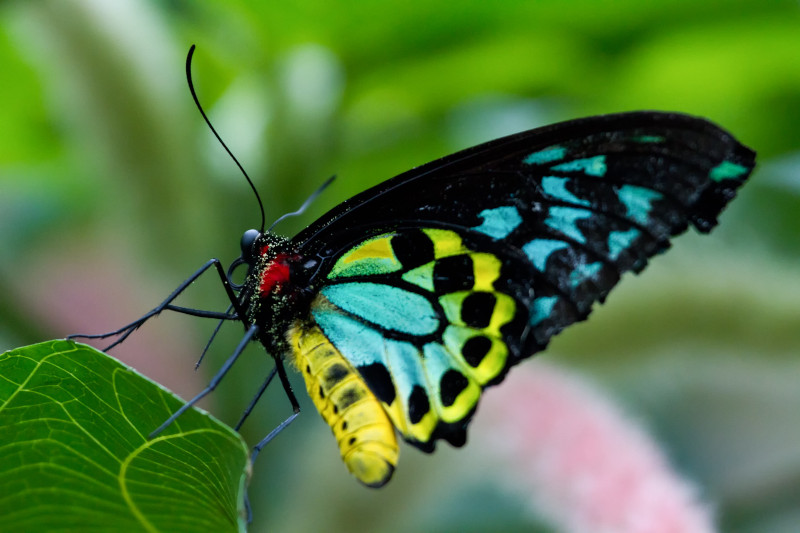
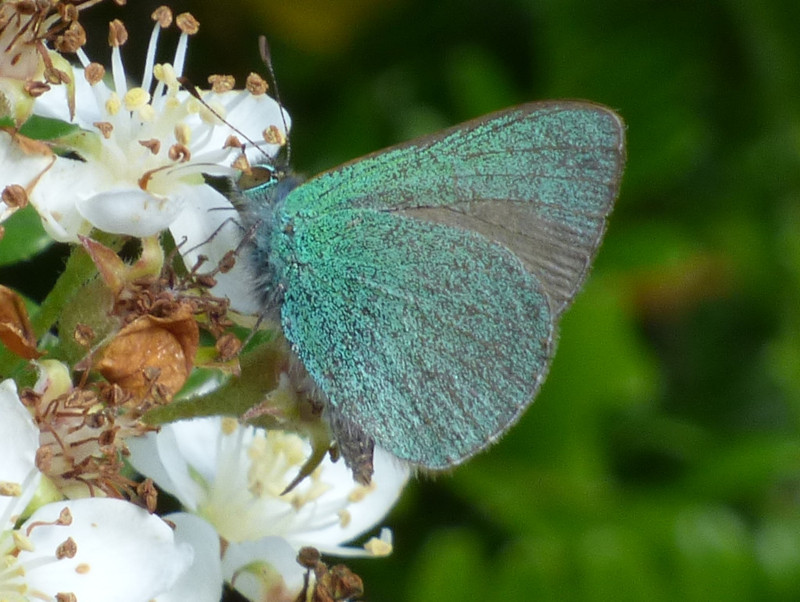
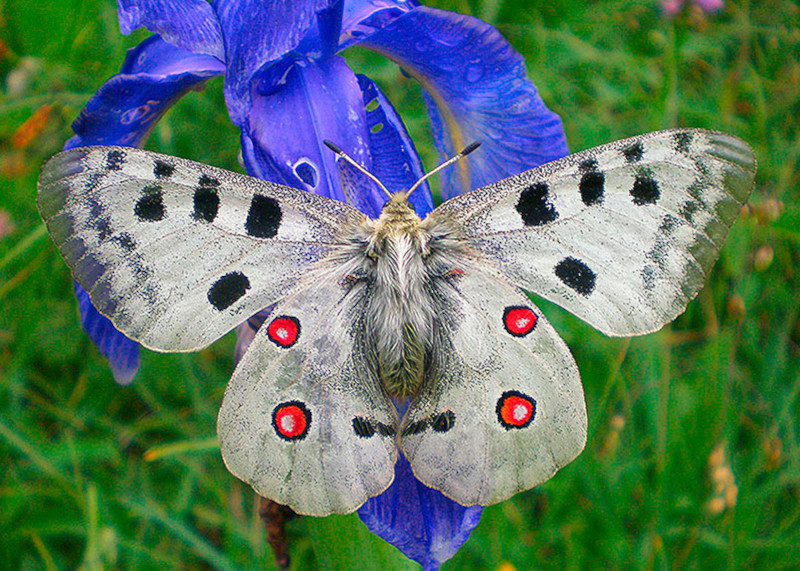
In appearance, both sexes of the Black Swallowtail share a predominantly dark background across the wings. A black tone dominates the surface. Contrasting elements, however, provide striking visual complexity. Rows of pale yellow spots also appear across both forewings and hindwings.
Additional markings enhance this design. The hindwings display a series of blue spots arranged between the yellow bands. Near the lower margins, small orange eyespots contribute more contrast. Subtle differences in size, brightness, and arrangement of these features exist between individuals.
- Kingdom: Animalia
- Phylum: Arthropoda
- Class: Insecta
- Order: Lepidoptera
- Family: Papilionidae
- Genus: Papilio
- Species: P. polyxenes

CCL: https://tinyurl.com/44ka7ja6
Black Swallowtail Distribution, Habitat, and Ecology
The fabulous Black Swallowtail evolved as native to a comparatively wide expanse of the surface of the earth. That zone of habitation also happens to be one already well known for its remarkable abundance of natural wonders. The full extent of that range, though, might surprise some of you.
The most northern part of its recognized territory extends into southern Canada, in North America. Moving southward, however, it also inhabits virtually the entire continental United States. Within that greater area, the vast majority of its known population resides east of the Rocky Mountains.
From there, the intrepid insect also appears throughout central America, and into a large portion of South America, as well. On that continent, the mesmerizing Arthropod makes its home in sections of both northern and central areas of the landmass. It’s believed absent from the southern regions.
This captivating creation of Nature and evolution displays decidedly clear preferences regarding its choice of habitat. It thrives best in open sunny environments. These also most commonly include examples of these that happen to possess quantities of the host plants the insect depends on.
It’s most frequently observed in areas of fields and meadows, especially where wildflowers appear. Other regions where it’s often seen include farmland, pastures, gardens, and yards, chiefly around herbs like parsley and dill. Intriguingly, it even lives around roadsides, ditches, and wetland edges.
Like many of its relatives, the ecology of the Black Swallowtail remains heavily ties to those host plants mentioned earlier. Its larvae feed almost exclusively on plants in the carrot Family. The most frequently used of these include parsley, dill, fennel, and wild carrot, despite their toxic compounds.
Just as roughly half of all butterflies, it produces multiple generations per year. Following mating, females usually lay multiple eggs, but place only a single one per host plant. Once hatched, the caterpillars feed and grown through several stages. In colder regions, the pupae generally overwinter.
The adults feed on the nectar of a wide variety of flowers. Within the ecosystems it inhabits, the Lepidoptera serves as an important generalist pollinator. Individuals help transfer pollen while moving between plants. These include such varied floral species as Milkweed, clover, and thistles.
With their extreme camouflage defense, the young larvae have few natural predators. The older larvae also emit a foul smell to deter such threats. The adults, however, face threats from many sources. The majority of the creatures that prey on it consist of birds, spiders, and parasitic wasps.
Species Sharing Its Range

Check out our other articles on 3 Remarkable Reptiles of Texas, South Georgia Island, Sitka Deer, Flightless Cormorant, Basket Stinkhorn, Rose’s Ghost Frog, Polyphemus Moth, Chinese Alligator










Leave a Reply